What to do after a breakup, in the first days
This is what to do after a breakup when you're still in it: the phone full of shared logins, the toothbrush still in the cup, the group chat gone quiet. Practical first, feelings later.
The direct answer
Here it is, plainly. In the first days, you handle logistics before you handle anything else: the shared streaming account, the joint calendar invite still pinging on Tuesdays, the stuff physically in your space that belongs to someone who isn't in it anymore. You do this not because it matters more than the rest, but because it's the only part that has a clear next step.
Everything else — the missing, the replaying, the checking their name against every notification — doesn't resolve by doing something to it. It resolves by time passing while you do other things. So the practical list exists partly to give your hands something to do while the rest of it moves at its own speed.
Start smaller than feels adequate. One drawer. One account. One text back to the one friend who asked how you're doing without following it with advice.
The accounts and the admin
Passwords first, if there were shared ones. Change the ones only you should have. Leave the streaming service split down the middle if it's easier than fighting about eleven dollars — some things aren't worth the conversation they'd require.
Photos are the hard admin. You don't need to delete anything today. A folder, moved somewhere you don't scroll past by accident, does the same job without the finality. The finality can wait; it isn't due.
If your names are tangled in something bigger — a lease, a joint account, a pet's vet records — deal with that part on a weekday, with a clear head, ideally not at 11pm. Late-night admin decisions get redone.
The objects still in the flat
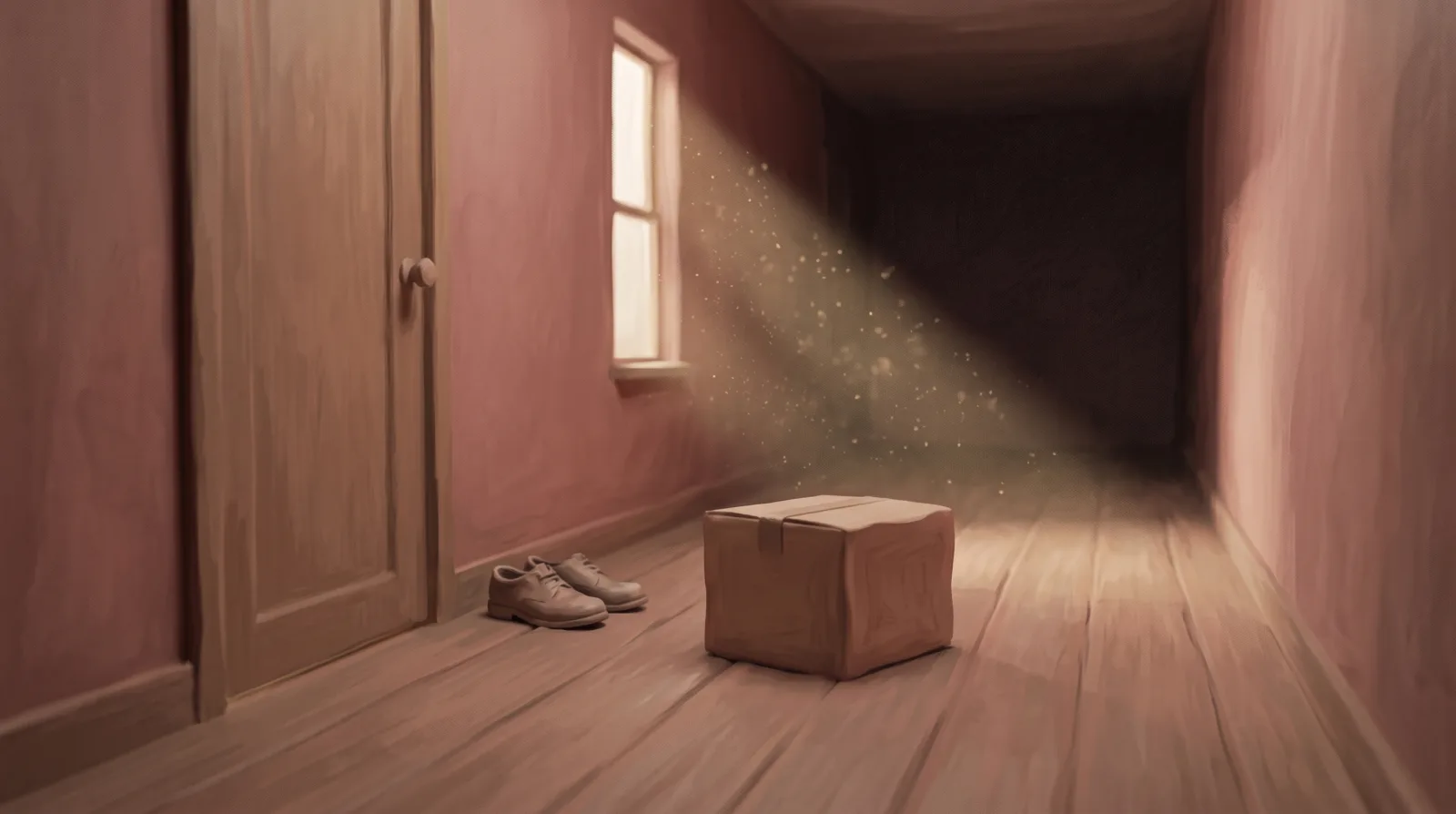
Their sweatshirt, their charger, the mug they always used even though it was yours first. You don't have to sort this in one pass. A box, taped shut, in a cupboard, is a complete and reasonable solution for now.
Some people want everything gone immediately, evidence cleared. Others can't touch it for weeks. Neither is more correct. What doesn't help is doing it performatively — filming the clear-out, narrating it to friends in real time — because that turns an ordinary task into a public event, and it was never that.
If they're coming to collect things, set a time and stick to roughly that window. Waiting around all day for a doorbell is its own particular kind of bad afternoon.
The routine that had them built into it
This is the part people underestimate when they ask what to do after a breakup — not the big absence but the small scheduled one. The Sunday call. The gym class you went to together. The specific walk you took on the way back from theirs. These slots in the week don't fill themselves in.
You don't need to replace them immediately with something meaningful. Put anything in the slot. A different route. A different time to eat dinner. The point isn't the new thing — it's that the old shape of the week stops being the only shape available to you.
Some days the gap will just sit there empty and that's fine too. Not every hour needs a plan.
Telling people, and how much
You don't owe anyone the full account, and you especially don't owe it to people who ask out of appetite rather than care. A short version — "we ended it, I'm okay, I'll say more another time" — is a complete answer.
Friends will want to help by giving opinions about what happened. Some of these will be useful eventually. In the first days, most of them just add noise to something that's already loud enough. You're allowed to say "not yet" to a conversation, even one someone means well by.
Watch for the friend who wants updates more than they want to be helpful. You can love someone and still not owe them your evenings right now.
What not to rush
Deleting every photo, blocking on every platform, telling the whole story to everyone who'll listen — these feel like action but they're mostly just speed. Speed isn't the same as progress here.
There's no set number of days for any of this to be over, and anyone offering you one is selling something. Some weeks will feel like nothing is happening. Some weeks something will shift and you won't notice until later that it did.
The practical list runs out fast — a few days, maybe a week, and the accounts are sorted, the box is packed. What's left after that isn't a task. It's just the actual shape of what happened, which takes longer, and doesn't have a checklist.
Questions people ask next
- Should I delete photos right away?
- No rush. Moving them to a folder you don't see daily does the same job without forcing a decision you might not be ready for. Delete later if you still want to.
- How do I tell mutual friends?
- A short, factual line is enough — you don't need to explain the whole thing to everyone who asks. Save the longer version for the one or two people you'd actually want to hear it.
- What if we still have to see each other, like at work?
- Keep exchanges short and logistical for a while. You don't need to be warm or cold — just brief. It gets easier once the first few encounters are behind you.
- Is it normal to feel fine one day and terrible the next?
- Yes. The practical parts of a breakup resolve on a schedule; the rest doesn't follow one at all. Both things can be true in the same week, sometimes the same afternoon.