Mom rage: the flash of anger you didn't see coming
You raised your voice over something small — a shoe, a spilled cup, a whine — and the force of it scared you. Mom rage is the name for that gap between the trigger and the reaction, and the shame that follows in about ninety seconds flat.
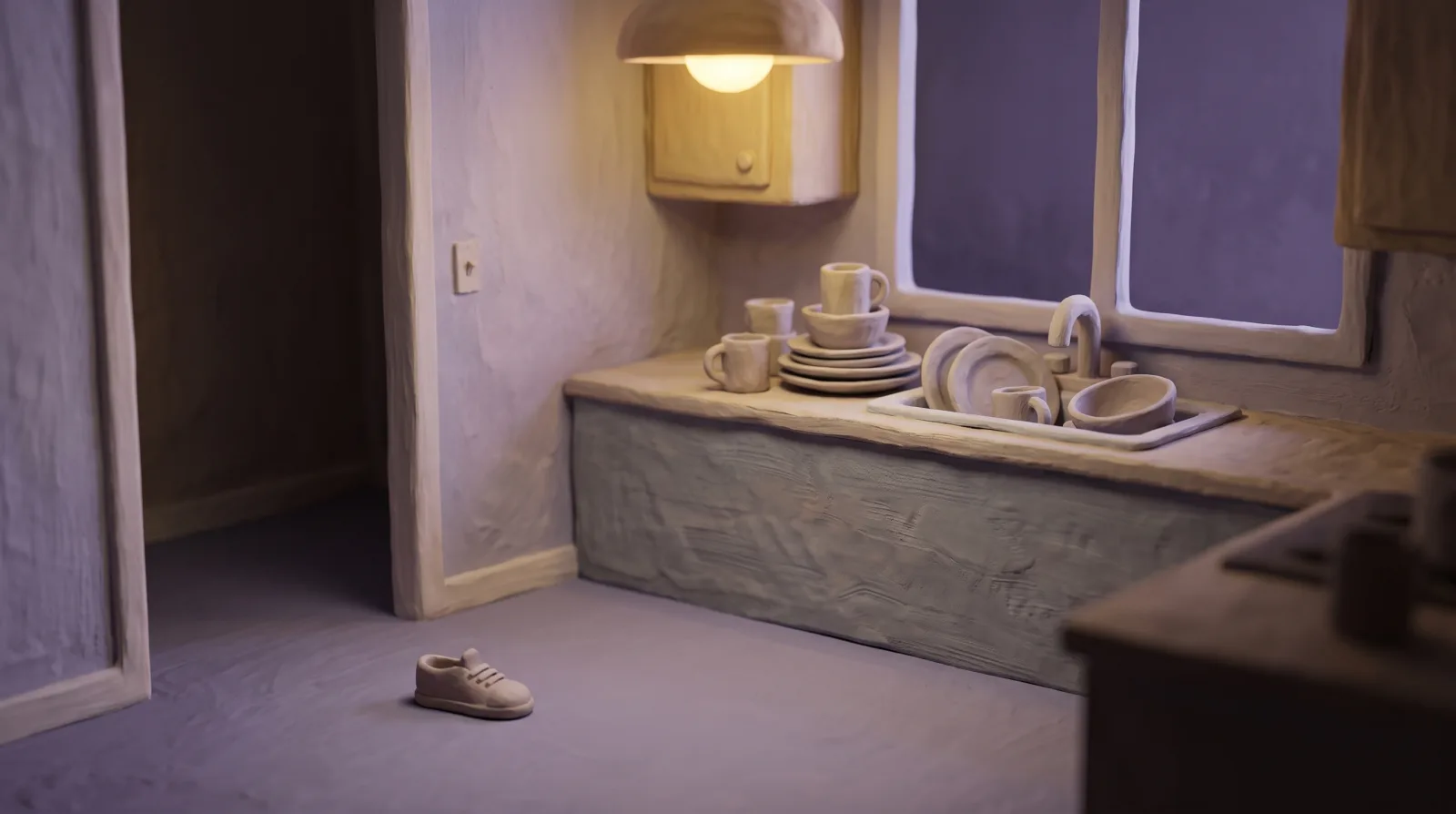
What mom rage actually is
Mom rage is the term for a specific pattern: a small, ordinary provocation — a whined complaint, a dropped bowl, a child who won't put shoes on for the fourth time — followed by an anger response that feels far too big for the moment. It's not sadness dressed up. It's heat, and it arrives fast, often faster than you can name it.
The second part of the pattern is what makes it recognisable: almost immediately after, there's a drop. Shame, mostly. A replaying of your own voice, your own face, in the fifteen seconds before you calmed down. Most people who search this term aren't looking for a definition of anger in general. They're looking for someone to say: this specific shape, the flash then the crash, is a known thing and it has a name.
It is not a verdict on whether you're a good mother. That's worth saying plainly because it's usually the first thought that follows the rage itself.
Why it lands on the small things
The trigger is rarely proportional to the response, and that's usually what confuses people most. A shoe. A whine. A single word repeated. The anger isn't really about the shoe. It's about the hundred small demands that came before it that day, each one absorbed without a reaction, until the shoe is simply the one that arrives after there's no more room.
This is why mom rage tends to show up around the same times: end of day, when a task is interrupted for the fifth time, when you're touched or asked something the moment you sit down. The nervous system has been managing a long list of low-grade demands — noise, physical contact, interruption, vigilance — and the small thing isn't the cause. It's the last thing before the limit.
The shame that comes right after
The rage itself usually lasts seconds. What lasts longer is the aftermath: the mental replay, the apology you rehearse, the fear that this reveals something permanent about who you are as a parent. That fear is doing a lot of the damage on its own, separate from whatever happened in the kitchen.
Shame after mom rage often produces a strange effect — it makes people less likely to talk about it, which means they never hear how common the pattern is. They assume their version of it is worse, more disturbing, more telling than anyone else's. Usually it isn't. It's the same mechanism, running in a body that had nothing left.
What's usually underneath it
Underneath most mom rage is some combination of touch that never stops, sleep that's shorter than the body needs, and a total absence of any moment that is only yours. None of these sound dramatic written down. But stacked together, day after day, they lower the threshold for anger the way a fever lowers the threshold for pain — everything hurts more than it would otherwise.
There's also a quieter piece: the loss of a version of yourself that existed before this job took over every hour. Some of the anger isn't about the child at all. It's grief for time, identity, or quiet, arriving in the only form that has room to move — fast, sharp, and aimed at whatever is closest.
What doesn't actually help
Being told to "take a breath" in the moment rarely works, because the moment isn't really about the moment — it's the accumulation talking. Advice aimed at the ninety seconds of rage tends to miss the hours that built it. Similarly, being told you need more self-care, phrased as a chore to add to the list, usually makes the underlying exhaustion worse, not better.
What tends to help more is naming the pattern accurately — recognising which parts of the day are load-bearing, which requests are the fifth one rather than the first, and where the body is running with nothing left before the trigger even arrives. That's a description of a mechanism, not a fix, but it's usually the part people have never had put into words before.
What to do with the anger once it's named
Some people find it useful to track, in plain terms, what the day looked like in the hour before the flash — not to assign blame, but to see the shape of it. Others find more use in simply having language for the shame afterward, so it stops looping unexamined. Neither approach erases the anger. It tends to keep showing up in some form as long as the underlying load stays the same.
What changes, usually, is the relationship to it — less surprise, less private conviction that this makes you a bad parent, more recognition of the pattern as it starts. That recognition doesn't arrive from a single insight. It builds slowly, across many ordinary days, the same way the anger did.
Questions people ask next
- Is mom rage the same as postpartum anger?
- They overlap but aren't identical. Postpartum anger is tied to the specific period after birth and its physical aftermath. Mom rage can show up at any stage of parenting — with a toddler, a teenager, even an adult child — because it's driven by ongoing load, not a single period of recovery.
- Does mom rage mean something is wrong with me?
- No. It's a description of a common pattern — disproportionate anger followed by shame — not a label on your character. Plenty of people who feel steady in every other part of their life experience this exact sequence around their children specifically.
- Why do I feel rage toward my child but not toward other frustrations?
- Children make continuous, close-range demands in a way almost nothing else in adult life does — physical contact, interruption, noise, vigilance, all at once, for years. The anger usually isn't really about the child. It's about the accumulated load that has nowhere else to land.
- Will this go away as my kids get older?
- The specific triggers change, but the underlying pattern — small provocation, big reaction, fast shame — tends to persist as long as the daily load stays high. What usually shifts over time is how quickly you recognise it starting, not whether it appears at all.